

Piano Tuning Supplies
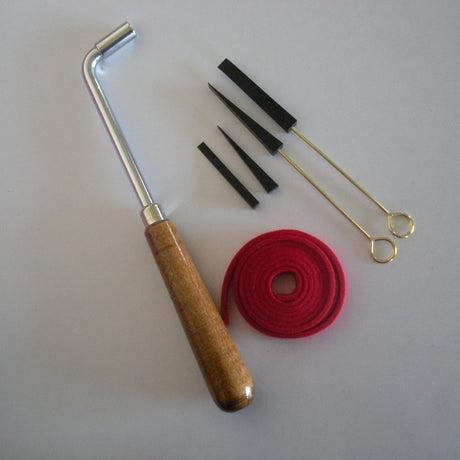
Piano Tuning Kit with Gooseneck Tuning Lever and Rubber Mutes
$84.99Unit price /Unavailable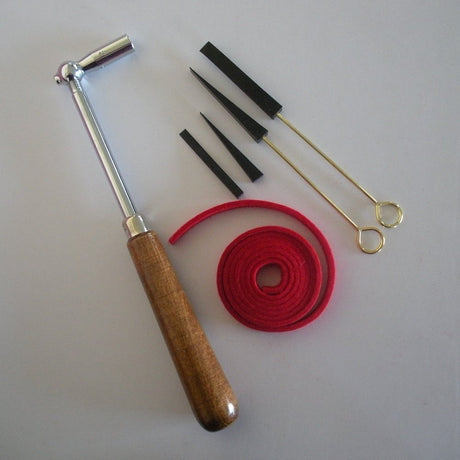 25% off
Professional Piano Tuning Kit with Tuning Lever Rubber Mutes and Temperament Strip
$119.35$159.99Unit price /UnavailableClassical Rosewood Piano Tuning Lever Kit — Mutes, Fork & Temp Strip
$125.99Unit price /Unavailable-
- 31% off
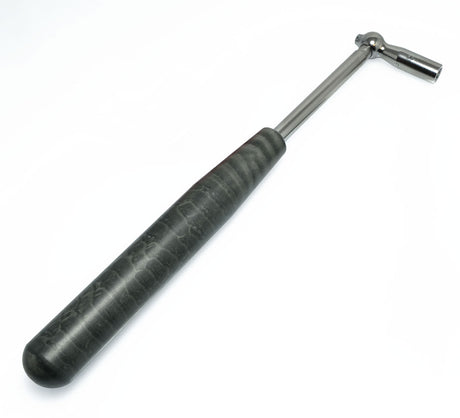
Professional Piano Tuning Lever
$89.99$129.99Unit price /Unavailable -
- $238.99Unit price /Unavailable
-
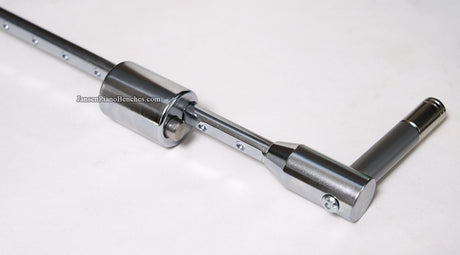
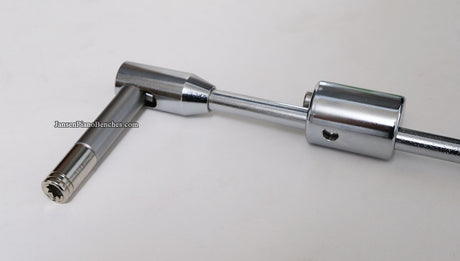
Impact Piano Tuning Lever with Adjustable Sliding Weight
$188.95Unit price /Unavailable-
 $89.99Unit price /Unavailable
Yamaha Piano Tuning Lever – Genuine Japan-Made Tuning Hammer
From $229.99Unit price /Unavailable-
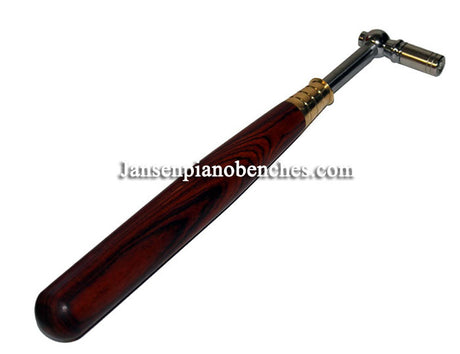
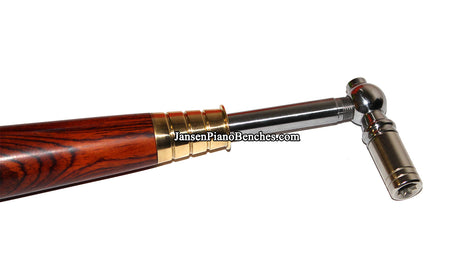
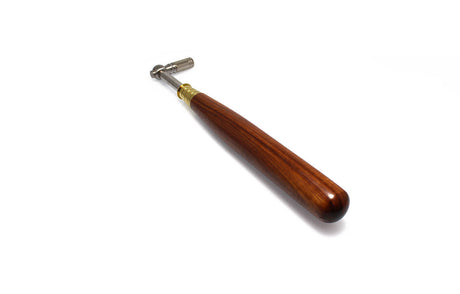
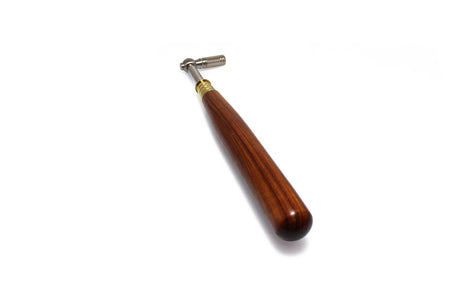
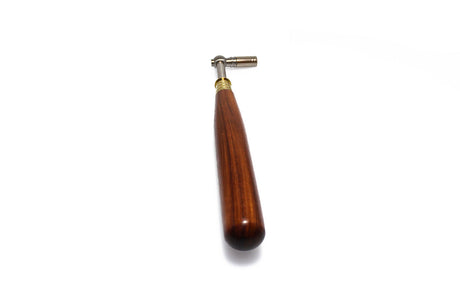
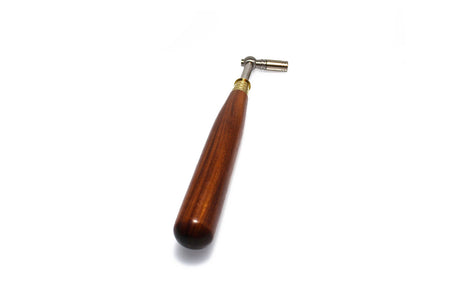
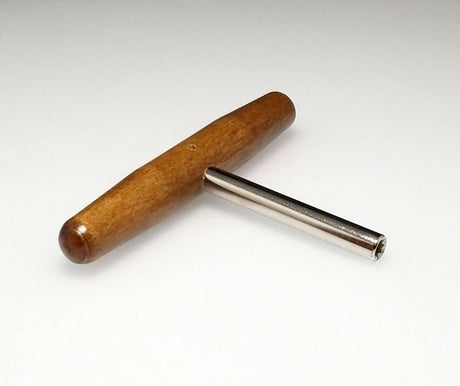
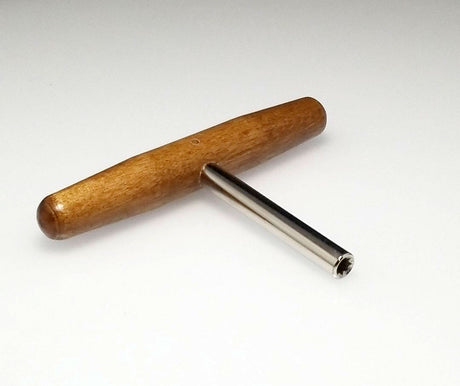
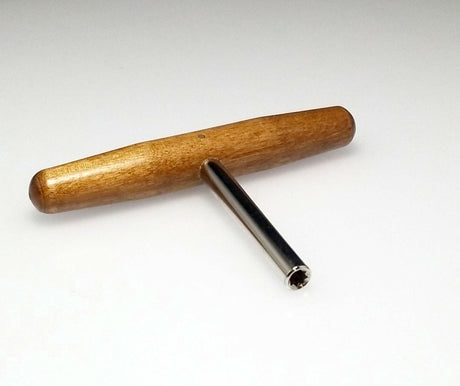
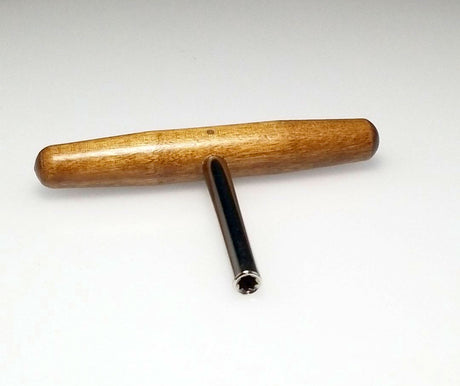
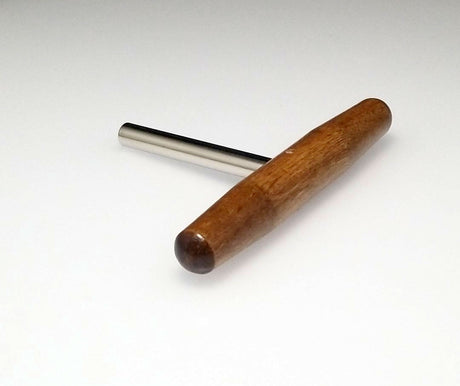
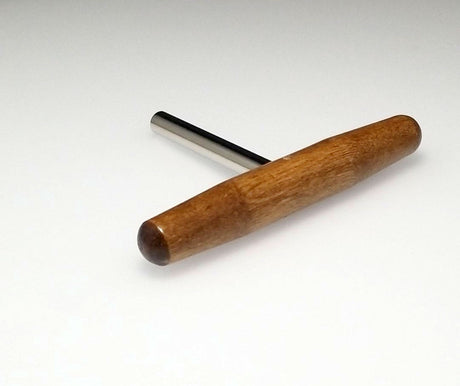
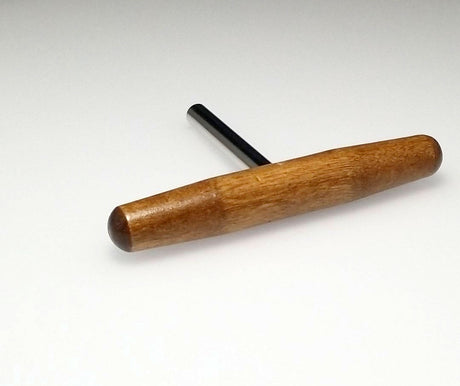
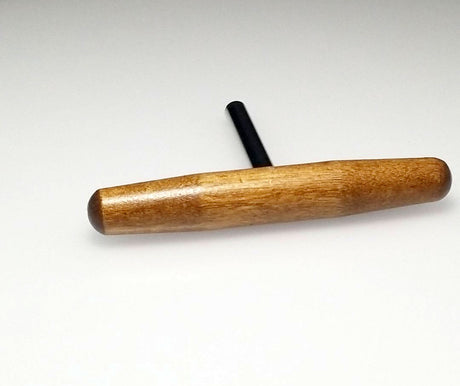
Classic Rosewood Piano Tuning Lever – Steel Shaft Tuning Hammer
$93.99Unit price /Unavailable-
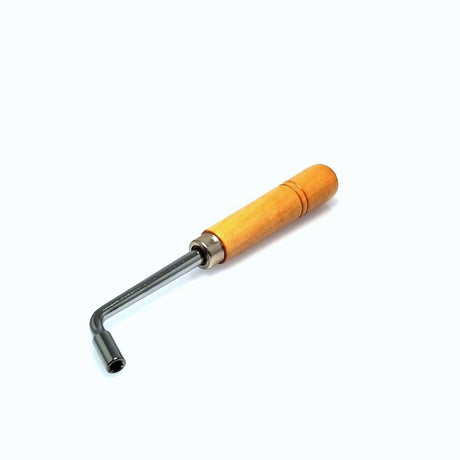
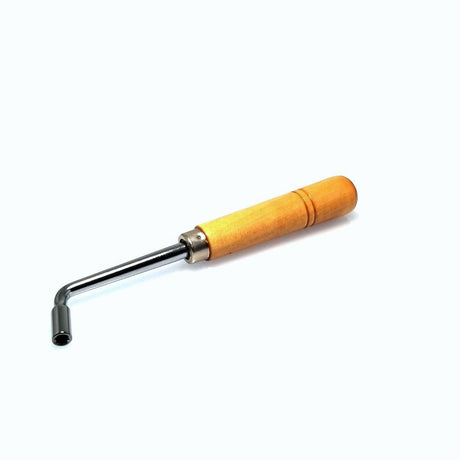
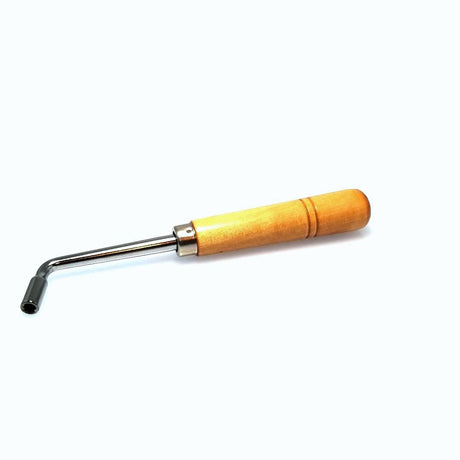
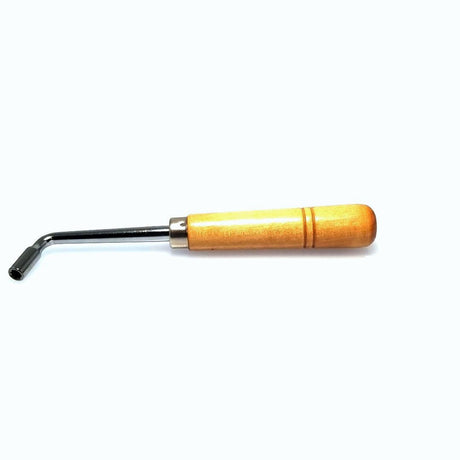
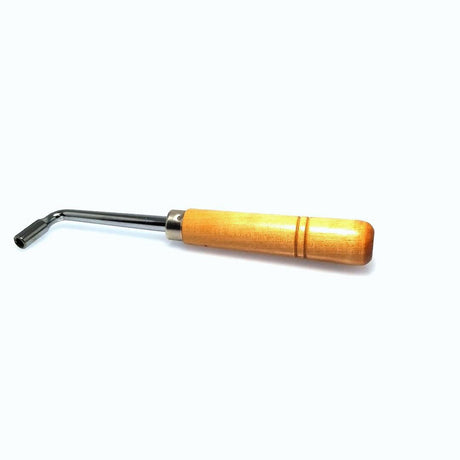
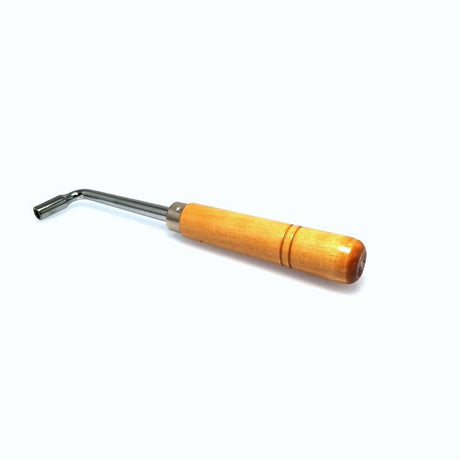
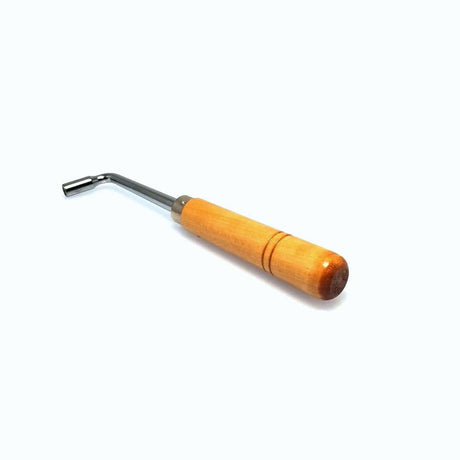
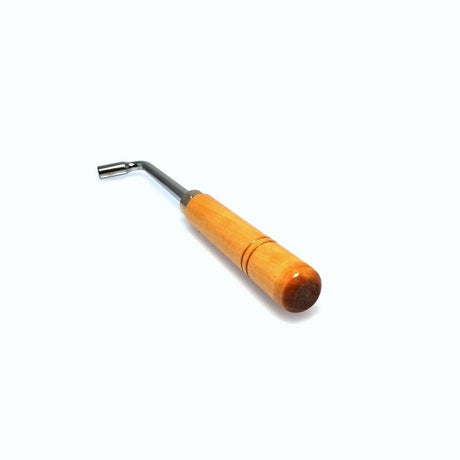
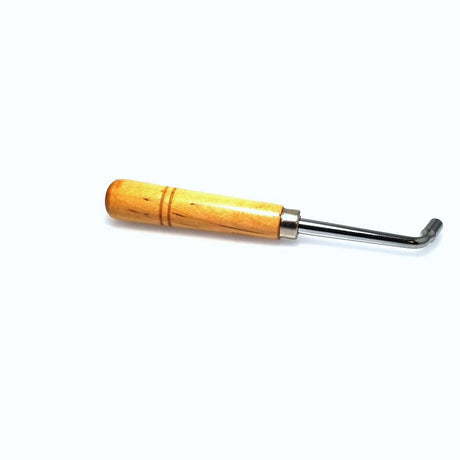
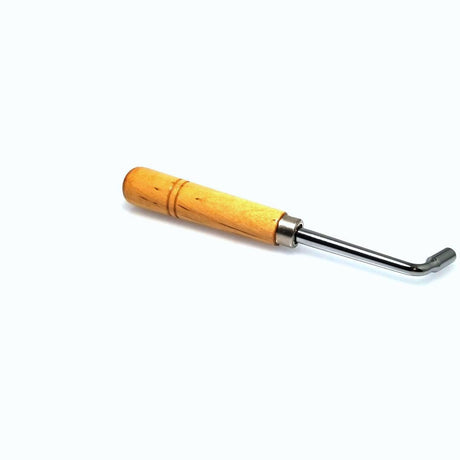
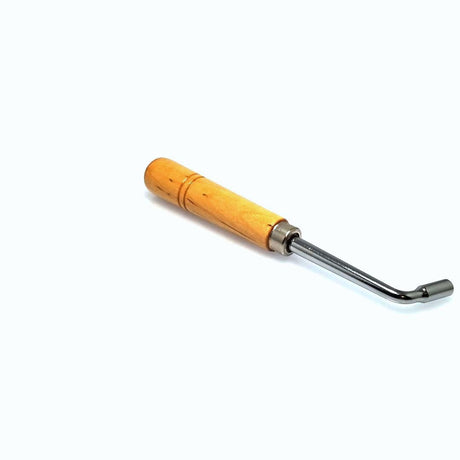
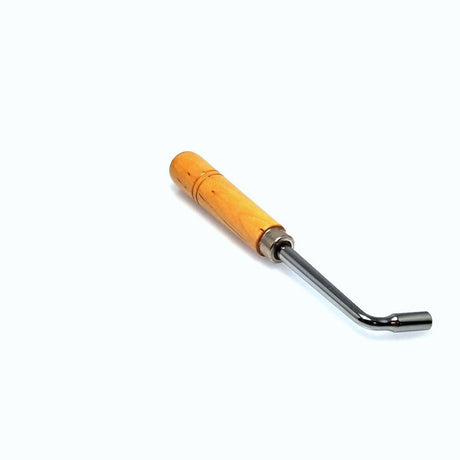
Gooseneck Rosewood Piano Tuning Lever
$63.99Unit price /Unavailable-
Ball Handle Rosewood Piano Tuning Lever
$115.99Unit price /Unavailable-
Extension Rosewood Piano Tuning Lever — Adjustable 11.5" to 17"
$105.95Unit price /Unavailable-
Factory Style Piano Tuning Lever
$87.50Unit price /Unavailable-
Harpsichord Tuning Lever Zither, Dulcimer, Harp
$32.99Unit price /Unavailable-
Gooseneck Tuning Lever for Harpsichord Dulcimer Zither and Harp
$27.95Unit price /Unavailable-
Piano Hammer Voicing Tool with Adjustable Head
$52.95Unit price /Unavailable-
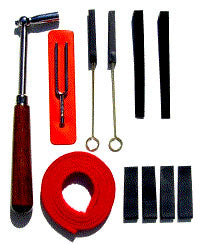
Complete Grand Piano Tuning Kit
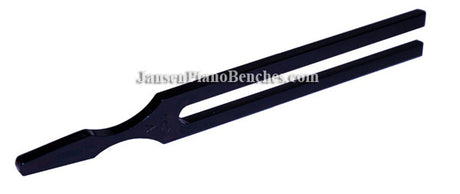
$158.89Unit price /UnavailableJohn Walker Piano Tuning Forks - Tempered Blue Steel. A-440 and C-523.3
$62.99Unit price /Unavailable-
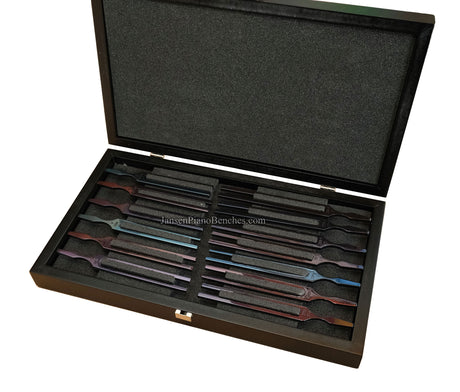
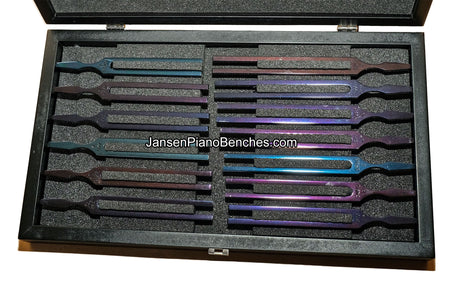
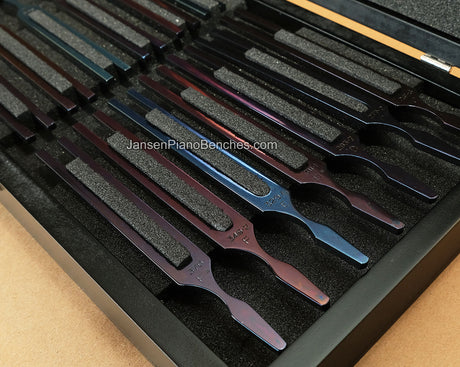
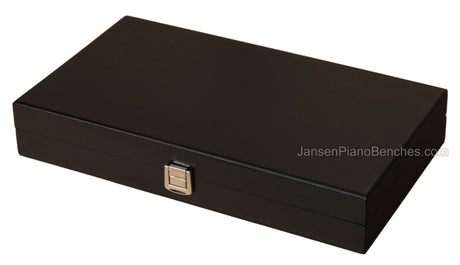
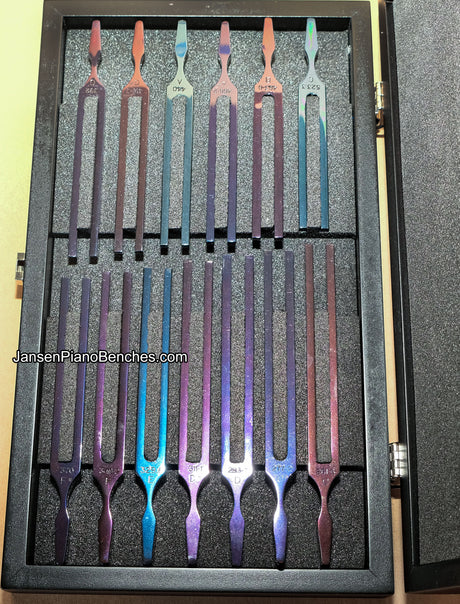
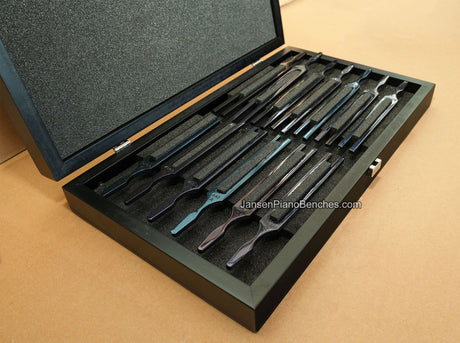
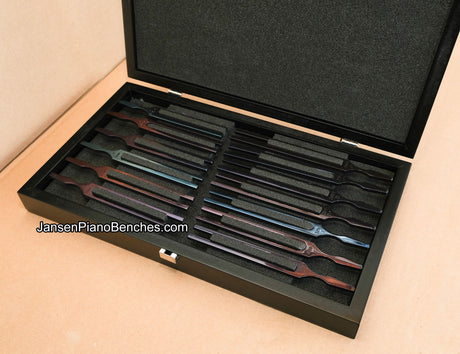
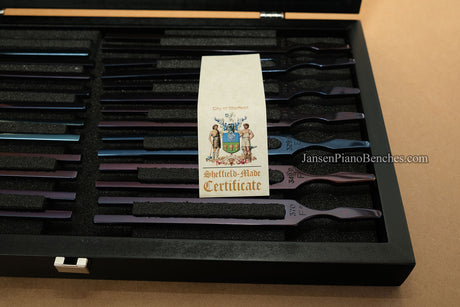
John Walker Piano Tuning Fork Set - 13 Blued Steel Forks
$525.99Unit price /Unavailable-


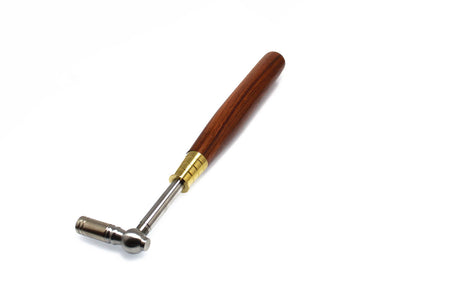
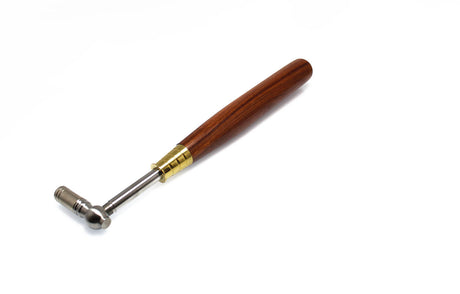
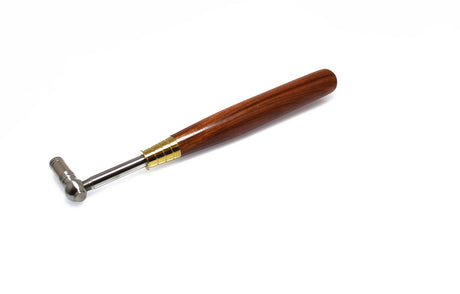
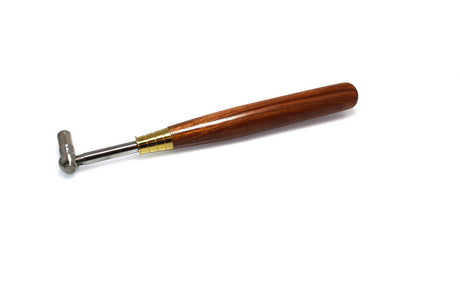


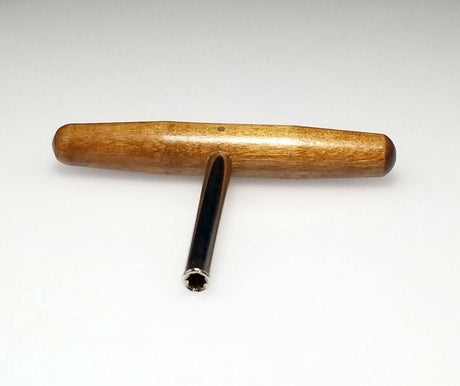
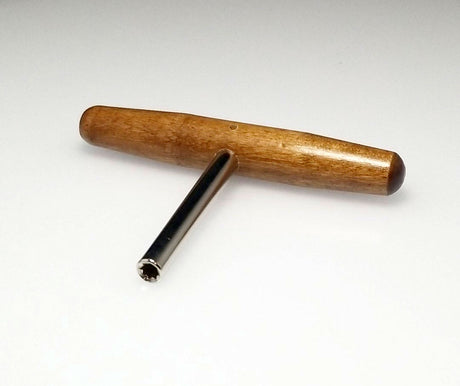
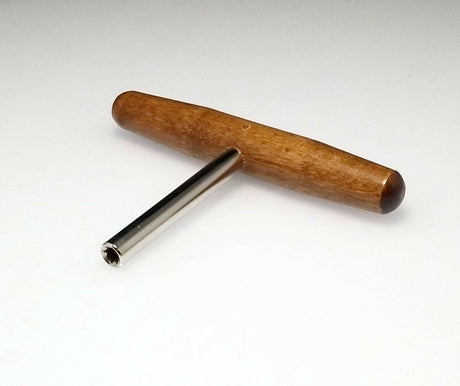
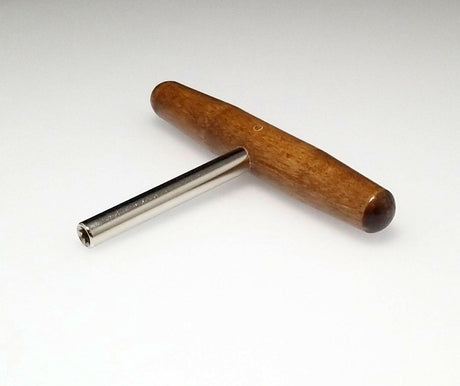
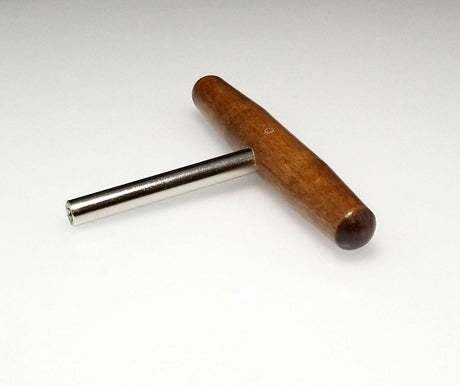
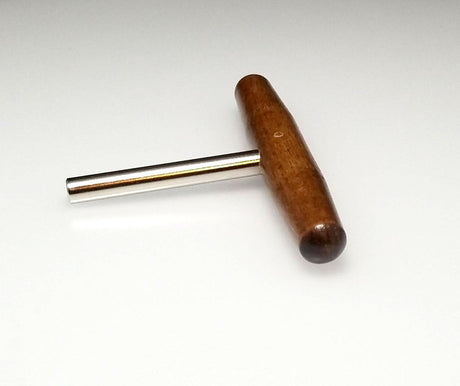
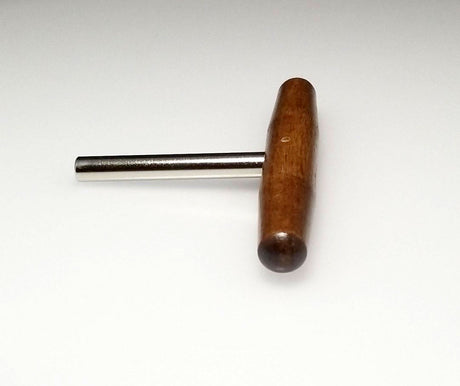
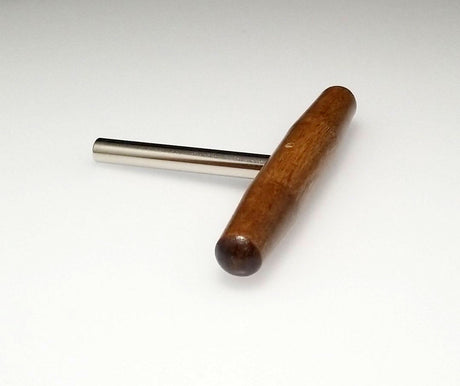
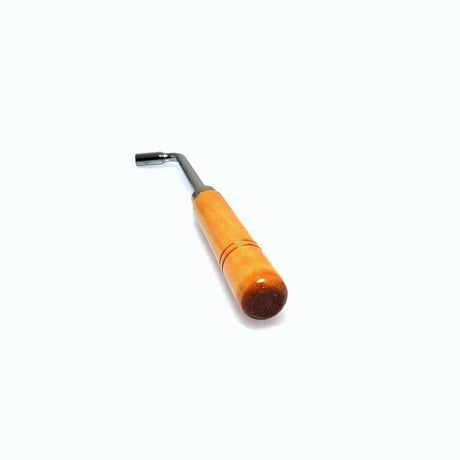
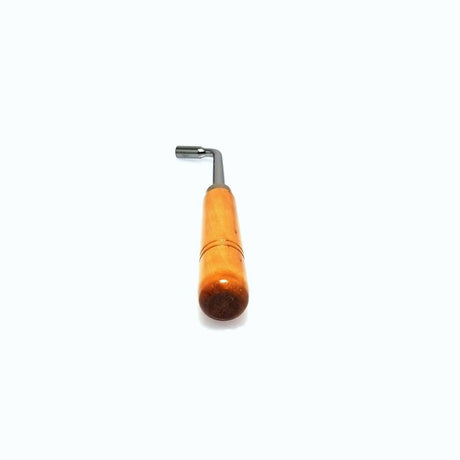
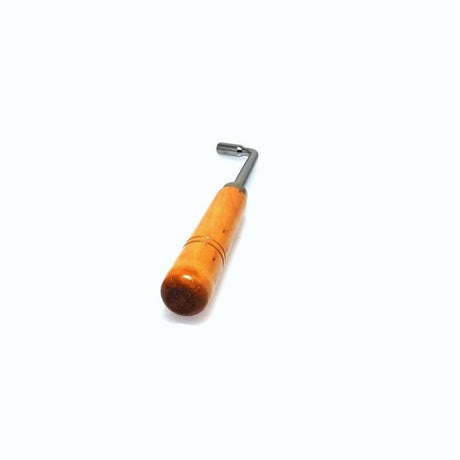
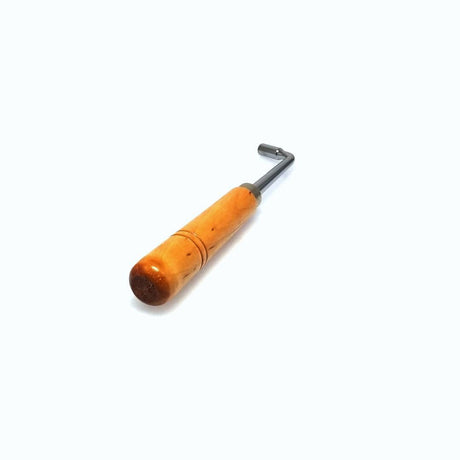
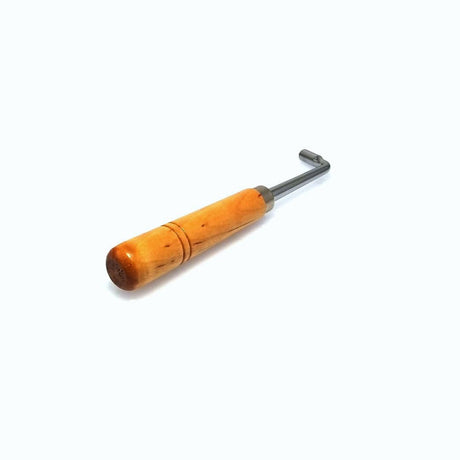
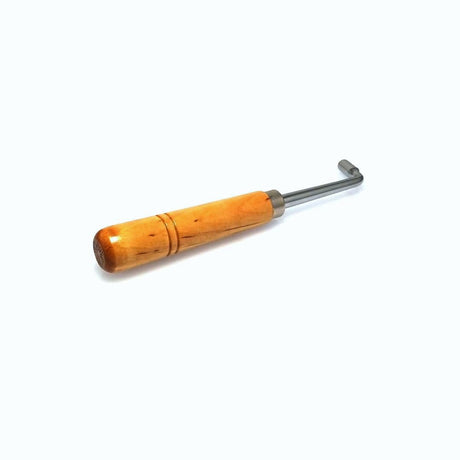
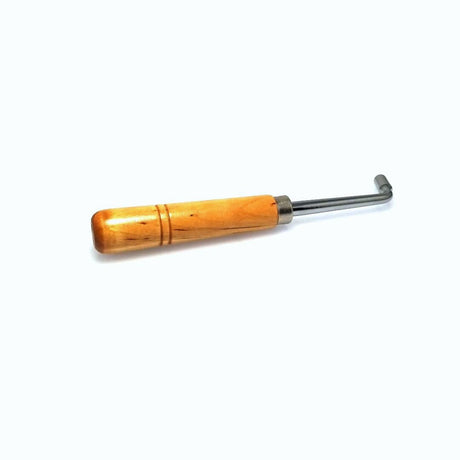
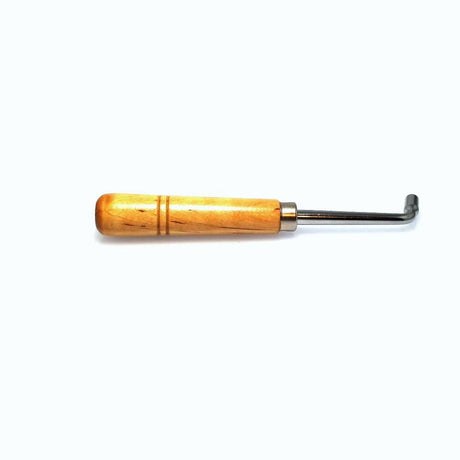
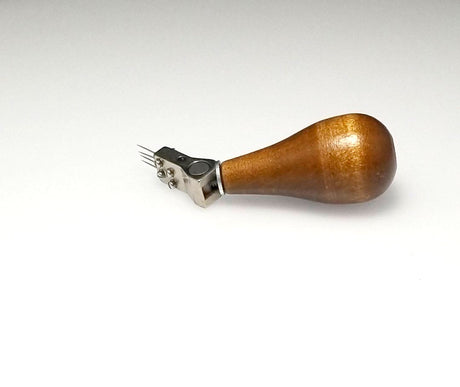
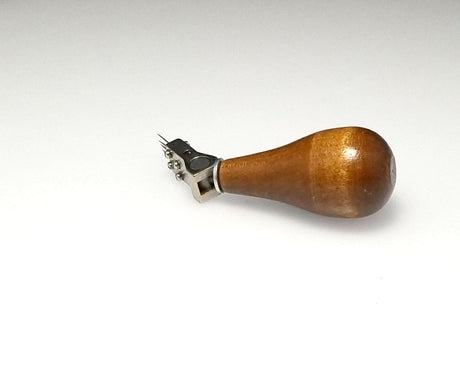
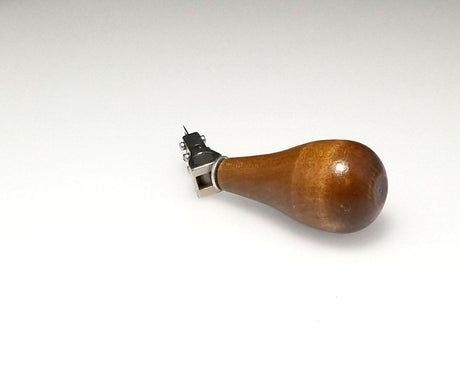
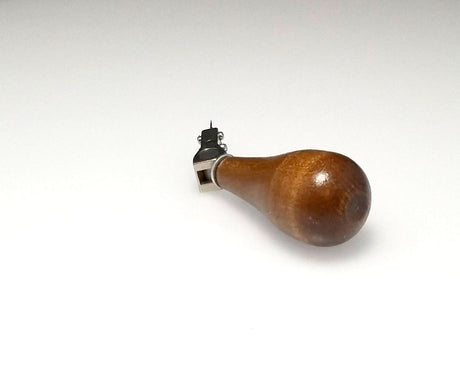
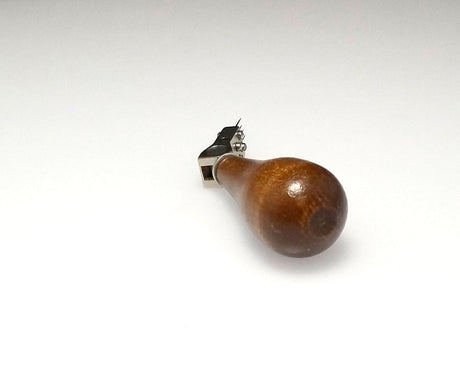
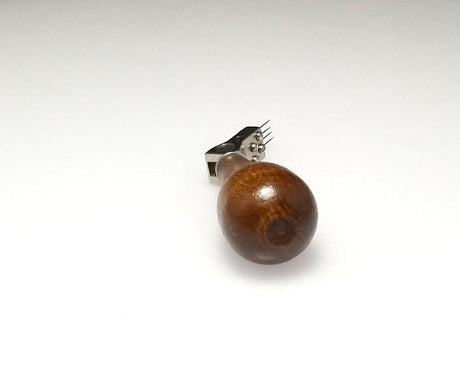
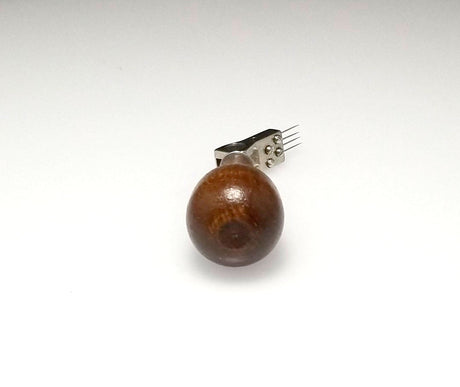
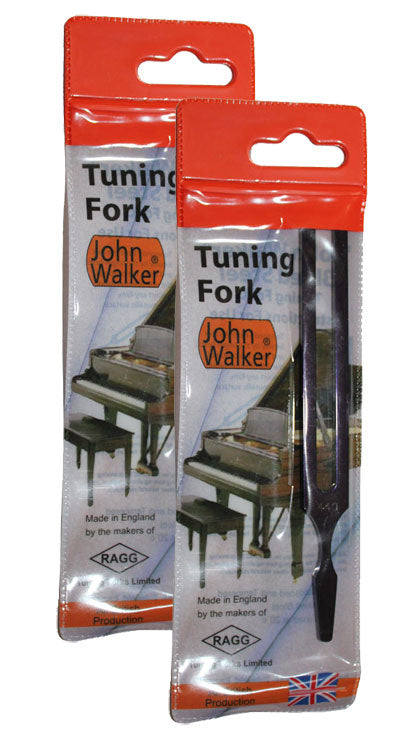


Piano Tuning Supplies, Kits & Hammers — Made in the USA
A piano is a precision instrument. Keeping it in tune requires the right tools — and the right tools are built to last, not built to a price point. Every piano tuning hammer, lever, and kit in this collection is manufactured in the United States by a maker with over 85 years of experience in the trade. These are the same tools trusted by professional piano technicians, apprentice tuners, music schools, churches, and serious home players who don't want to buy the same tool twice.
What's in a Piano Tuning Kit — and What Do You Actually Need?
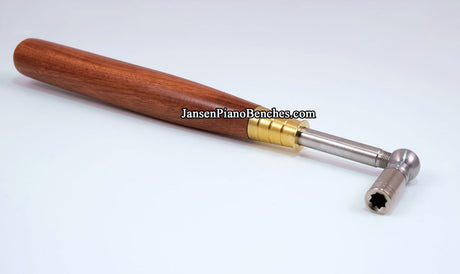
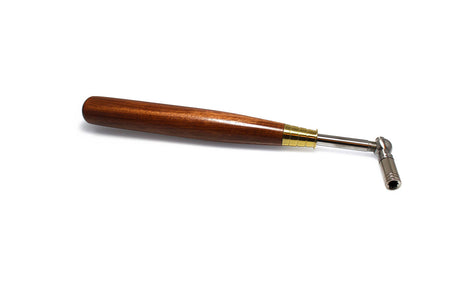
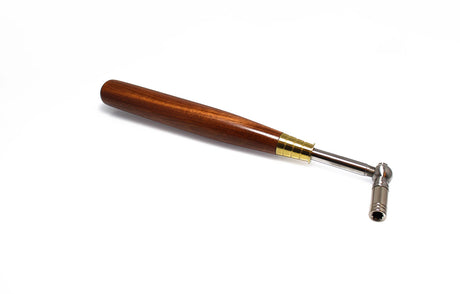
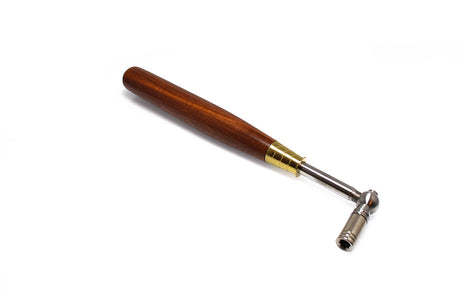
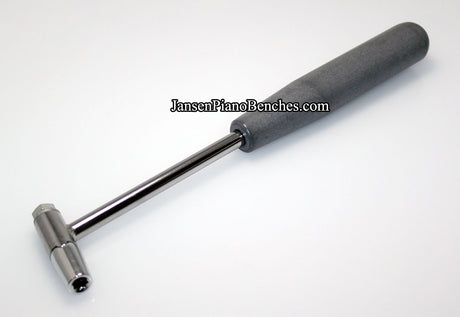
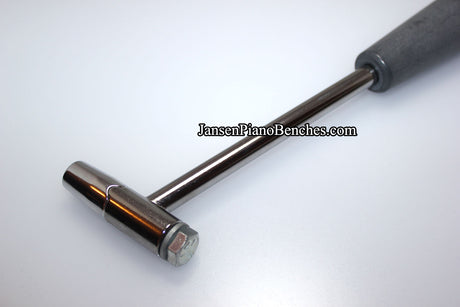
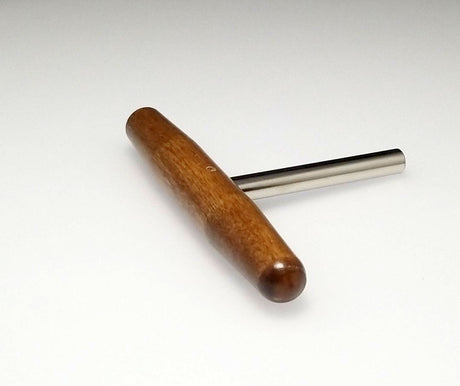
The core of any tuning kit is the tuning hammer, also called a tuning lever, tuning wrench, or tuning key. All four terms refer to the same tool: the handle that fits over your piano's tuning pins and allows you to raise or lower the tension of each string. Alongside the lever, a complete piano tuning kit typically includes rubber mutes (to isolate individual strings while you tune adjacent ones) and a temperament strip — a long felt strip used to mute the outer strings of each unison group so you can tune the center string first. That combination covers everything a beginner or home tuner needs to get started, and everything a professional needs for a standard tuning session.
Choosing the Right Tuning Lever for Your Situation
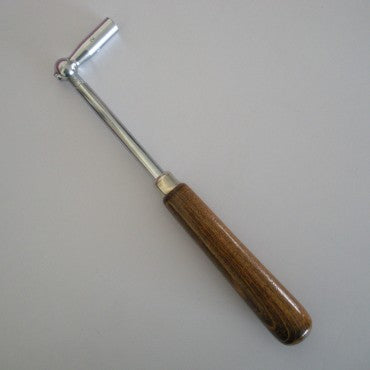
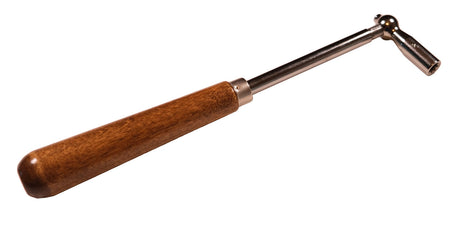
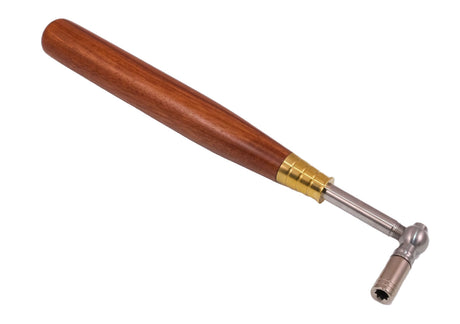
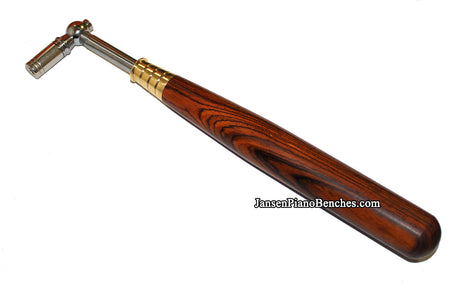
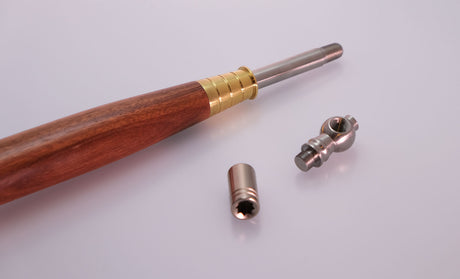
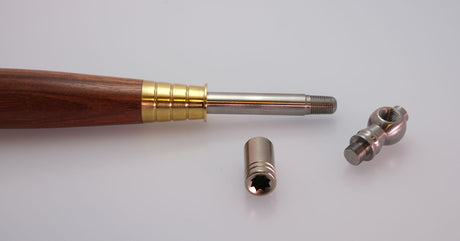
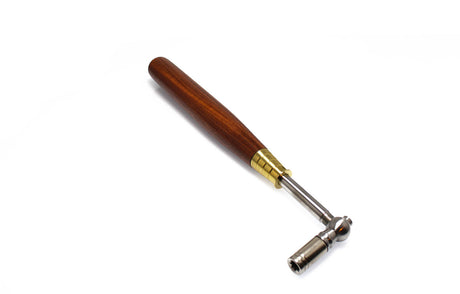
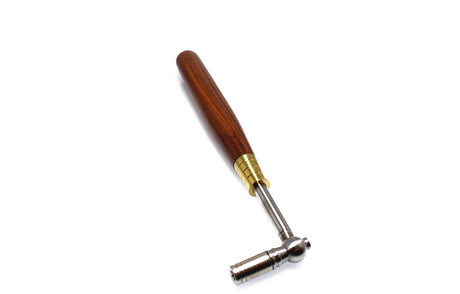
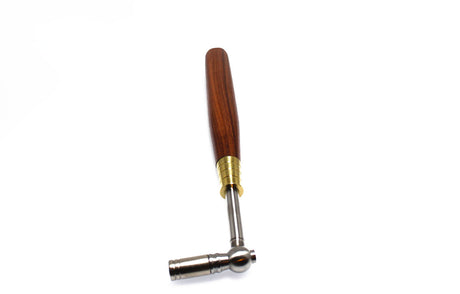
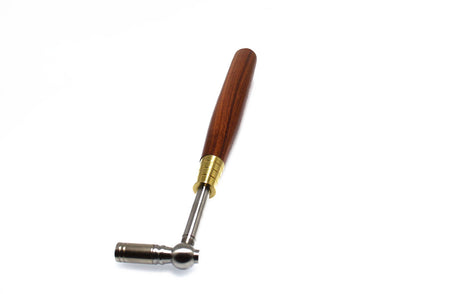
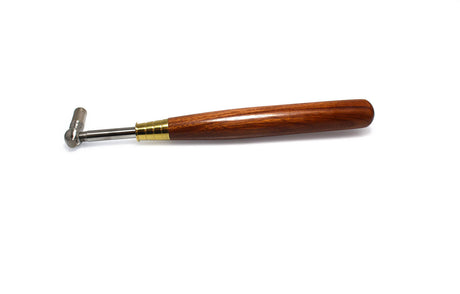
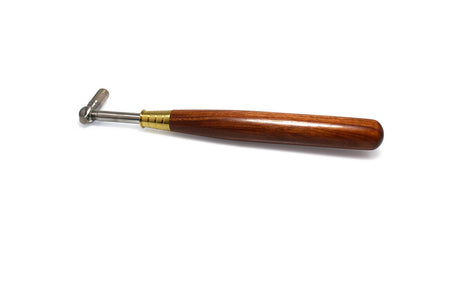
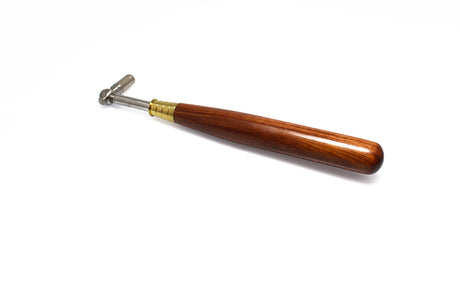
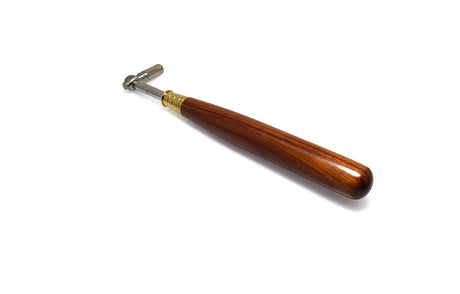
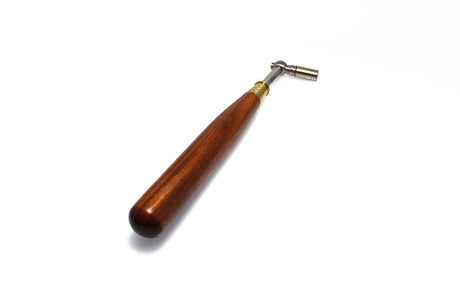
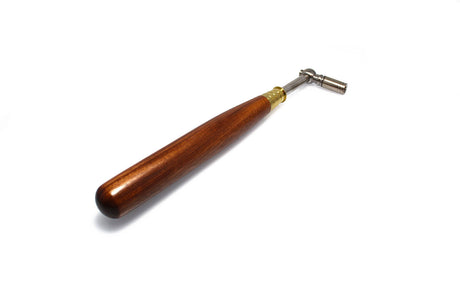
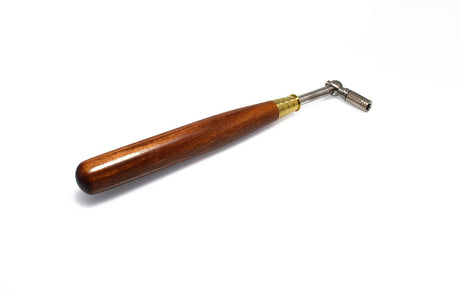
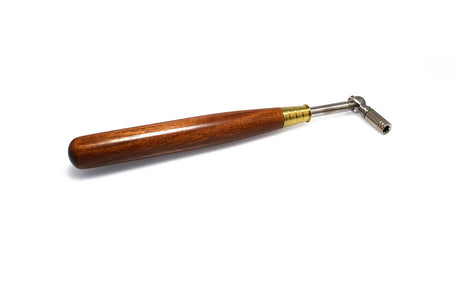
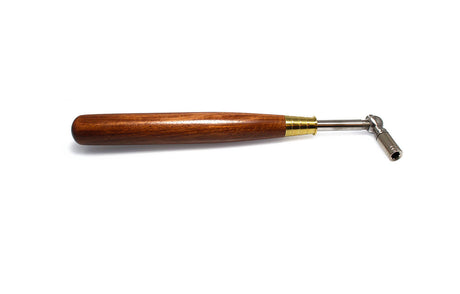
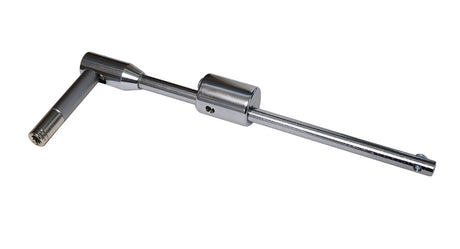
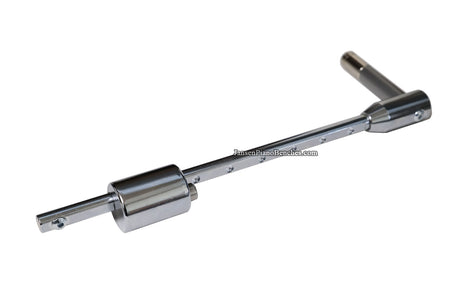
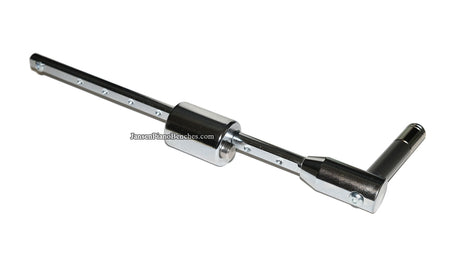
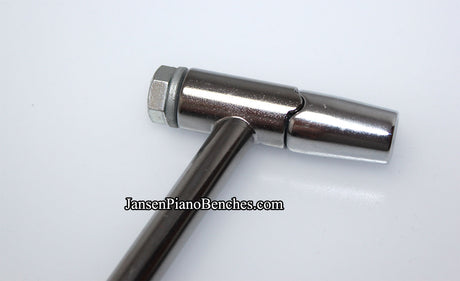
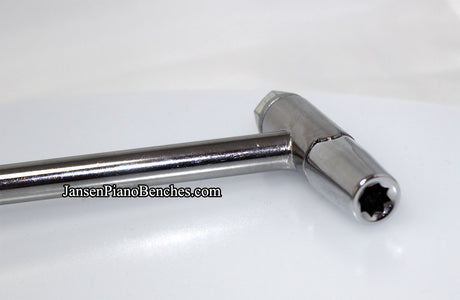
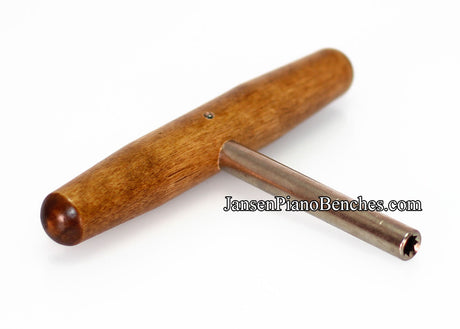
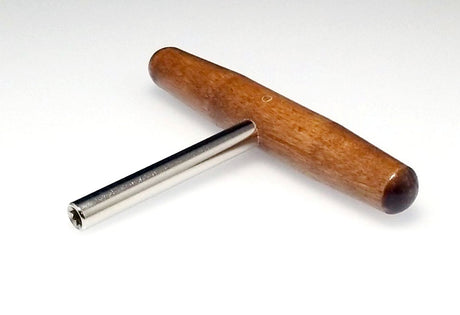
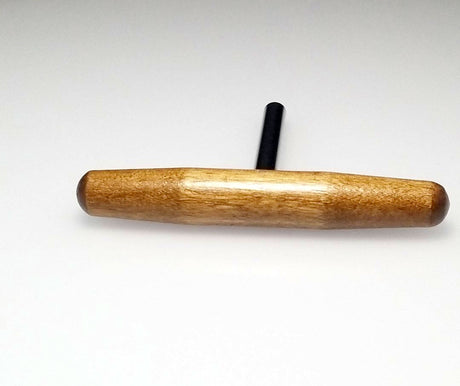
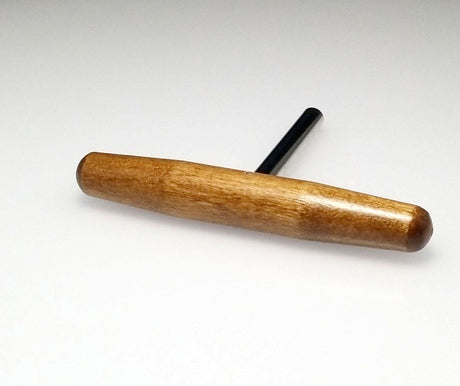
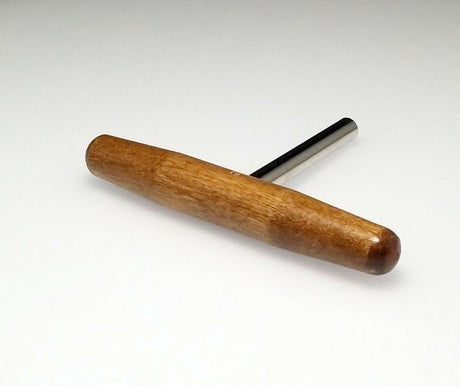
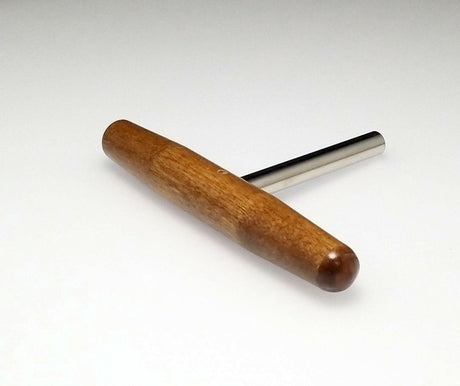
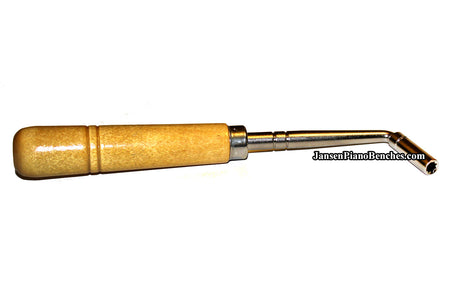
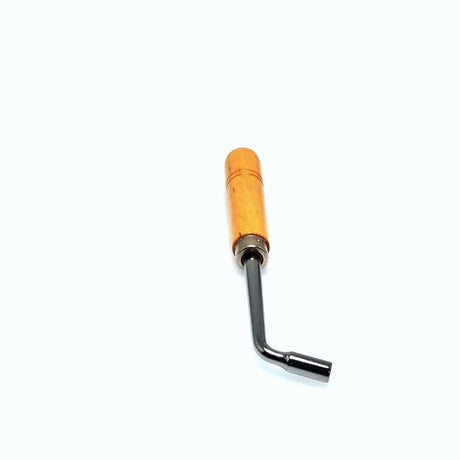
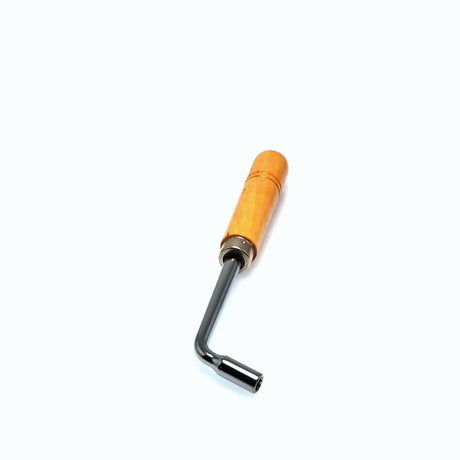
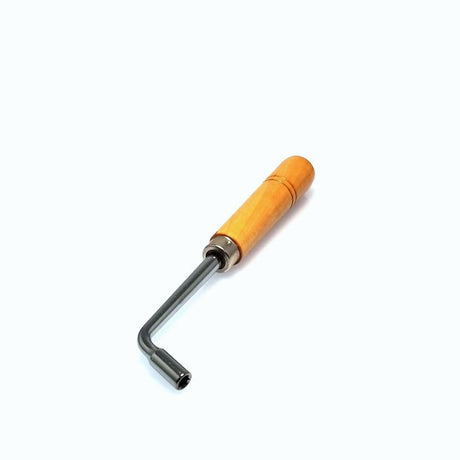
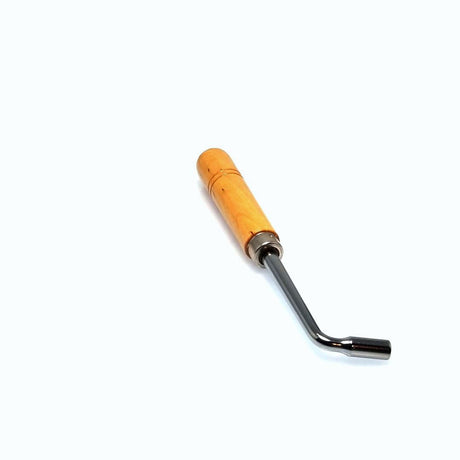
Not all levers are equal, and the right choice depends on how often you tune and how much control you need. If you're new to tuning or want a lever for occasional touch-ups between professional visits, the Gooseneck Tuning Kit is the right starting point. The curved shaft gives you flexible access to pins at different angles — especially useful on uprights and baby grands where tight pin spacing makes straight levers awkward. For regular tuning work — whether you're a technician, an advanced student, or a piano owner who tunes frequently — a hardwood or nylon straight-shaft lever gives you better torque control and more consistent pin feel. These are the workhorses of professional tuning. For the most demanding work, our Rosewood Lever is the highest-quality tuning hammer we carry. The rosewood handle offers superior comfort and grip over long sessions, and the removable tip system means you can swap heads without replacing the entire tool. If you're tuning regularly or considering piano tuning as a profession, this is the one to buy once and keep for life. For technicians working on uprights with stiff or stubborn pins, the Impact Lever with Adjustable Sliding Weight gives you a level of mechanical control that standard levers can't match. The eight-position sliding weight lets you dial in the exact amount of force for each pin — more weight for tighter pins, less for ones that move freely.
Why Material and Build Quality Matter
The difference between a quality US-made tuning lever and a cheap imported alternative isn't just durability — it's accuracy. A lever that flexes under load doesn't transmit your movement cleanly to the pin. You end up overshooting pitch, fighting the tool, and wearing out your hand. A properly machined star tip grips the pin square. A solid steel shaft transfers torque without twist. These are the details that separate a tool you'll use professionally from one you'll replace after a season. We also carry voicing tools for hammer tone work and specialty tuning tools for harpsichord, dulcimer, and related keyboard instruments. If you're not sure which tool fits your situation, contact us — our team has the background to give you a straight answer. All piano tuning tools ship free within the continental United States, with no sales tax on online orders.
Not sure which lever is right for your situation? Read our complete Piano Tuning Hammer Buyer's Guide.
Frequently Asked Questions
What is the difference between a tuning hammer, tuning wrench and a tuning lever?
What is the difference between a tuning hammer, tuning wrench and a tuning lever?
They're the same tool — a wrench designed to fit over a piano's tuning pins and adjust string tension. "Tuning hammer" is the traditional term; "tuning lever" is more common today among working technicians. You'll also hear tuning wrench and tuning key used interchangeably.
How often should a piano be tuned?
How often should a piano be tuned?
Most pianos should be tuned at least twice a year to maintain stable pitch and tone. Pianos that have recently moved, been exposed to humidity changes, or haven't been serviced in years may need additional tunings as strings and the pinblock settle.
Do I need a specific tip size?
Do I need a specific tip size?
Most modern pianos — including Yamaha, Kawai, Baldwin, and Steinway — use a #2 star tip, which is standard on all of our levers. Some older or European instruments use smaller pins that require a #1 tip. If you're unsure, our team can help you identify the right fit.
Do beginner kits work on both upright and grand pianos?
Do beginner kits work on both upright and grand pianos?
Yes. Our kits include mutes suited for both piano types. Uprights and grands differ in how strings are arranged, but the tuning lever and muting technique are the same. The Gooseneck Kit's curved shaft is particularly useful for reaching pins in tighter cabinet configurations.
Will these tools work on a digital piano?
Will these tools work on a digital piano?
No — digital pianos don't use strings or tuning pins, so tuning hammers and mutes don't apply. These tools are for acoustic uprights and grands only. If you're not sure whether your piano is acoustic or digital, check whether it has physical strings inside the cabinet.
What’s the purpose of mutes and temperament strips?
What’s the purpose of mutes and temperament strips?
Mutes silence adjacent strings so you can hear a single string clearly while adjusting its pitch. Temperament strips mute two strings at a time across a range of notes, speeding up the tuning process.